How to choose a campervan rental in New Zealand
Renting a campervan or motorhome is the classic way to see New Zealand, and for most visitors it's the right call. But the cheapest van isn't always the best value, and a couple of details — the ones rental websites don't lead with — make a real difference to your trip. Here's how to choose, from people who actually tour here. It's honest advice, not a sales pitch: we don't rent vans, and we don't rank the companies for you.
The short version
- Match the size to your confidence, not just the berth count — big motorhomes are a handful on narrow roads.
- Want to freedom camp? You need a certified self-contained van (a green warrant) — confirm it before booking.
- The insurance excess is the real cost — base rates hide it. Read it before you compare.
- Watch one-way fees and the season — both swing the price a lot.
- A standard car licence covers the whole fleet (up to 6,000 kg) — you just need to be comfortable driving big.
1. Match the van to your licence and your confidence
Almost all rental campervans and motorhomes can be driven on a full car licence — New Zealand Class 1, or a valid overseas licence / International Driving Permit — which covers vehicles up to 6,000 kg. That's the entire standard fleet, from a 2-berth van to a big 6-berth motorhome.
So the real question is size versus confidence. New Zealand's roads are narrow, winding and hilly, with one-lane bridges and tight campground access — a 6-berth motorhome is genuinely big to drive and park here. Bigger isn't better if it makes you nervous. For most couples a 2- to 4-berth is the sweet spot; go larger only if you need the beds. (Our driving in New Zealand guide covers what the roads are really like.)
2. Self-containment: the detail that decides where you can sleep
3. Insurance & excess — the real cost
Base daily rates can look cheap, but the insurance excess is where the real money sits. Standard cover usually carries a high excess — often several thousand dollars — that you're liable for if anything happens. You can reduce it by paying a daily liability-reduction fee, or by using your own travel insurance or a credit card that covers rental vehicles. Either way, read the excess and the exclusions before you compare prices — single-vehicle accidents, overhead and undercarriage damage, water and unsealed roads are commonly excluded.
4. One-way fees & the season
Two things move the price more than the headline rate:
- One-way (relocation) fees. Picking up in one city and dropping in another — Auckland to Christchurch, or across the Cook Strait — usually adds a fee, because the operator has to get the van back. Weigh a one-way trip against a loop that returns to your pickup city.
- Season. Peak summer (Dec–Feb) is dearest and books out months ahead; the shoulder seasons are cheaper and quieter; winter is cheapest but cold. If your dates are flexible, look for relocation deals — very cheap rates to move a van back to its home depot.
5. The operators
New Zealand has a healthy range of rental brands — Britz, Maui, Jucy, Apollo, Wilderness, Mighty and others — from budget to premium. We deliberately don't rank them: the right one depends on your trip. Compare them on the things that actually matter rather than the headline price: is the van certified self-contained, what's the insurance excess and how do you reduce it, how old is the fleet, and where are the depots for your pickup and drop-off. Get those right and the rest is detail.
Booked your van? Now plan the trip → Drop in where you're starting and where you'd like to go, and the free Touring Brain planner builds a route with realistic drive times, suggested overnight stops and a 3-day weather briefing. No sign-up — and it works on any rental campervan.Frequently asked questions
Do I need a special licence to drive a campervan in New Zealand?
For almost all rentals, no — a full car licence (NZ Class 1, or a valid overseas licence / International Driving Permit) covers the whole fleet up to 6,000 kg. You just need to be comfortable driving a larger vehicle on the left.
Can I freedom camp in any rental campervan?
No. Only a certified self-contained van (green warrant, fixed toilet) can freedom camp on public land. Confirm certification before you book if that matters to you.
What's the biggest hidden cost?
The insurance excess. Reduce it with a daily liability-reduction fee or your own cover, and read the exclusions before comparing rates.
Sources & further reading: licence classes and what a car licence covers — NZTA Waka Kotahi; self-containment certification — Plumbers, Gasfitters & Drainlayers Board (PGDB); freedom-camping rules — Department of Conservation. Rental terms vary by operator — always confirm details with them directly. Last reviewed 19 June 2026.
This guide is general, independent advice, not a recommendation of any operator and not legal or insurance advice. Touring Brain does not rent vehicles and is not affiliated with any rental company. Always confirm licence, self-containment, insurance and rental terms directly with the operator before you book.
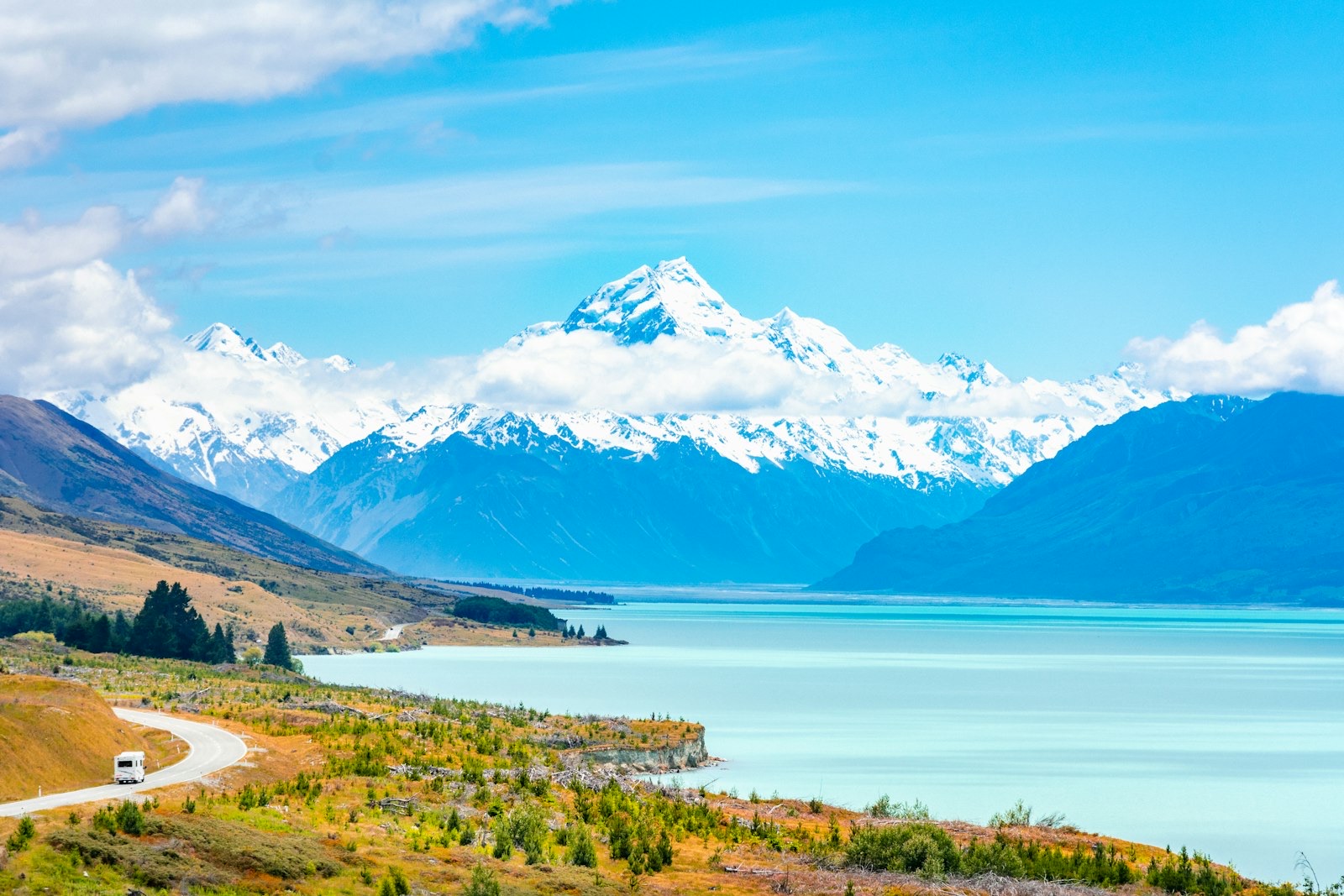
Photo: Aoraki / Mount Cook & Lake Pukaki — Sébastien Goldberg (Unsplash).