
New Zealand weather for touring in a campervan or motorhome
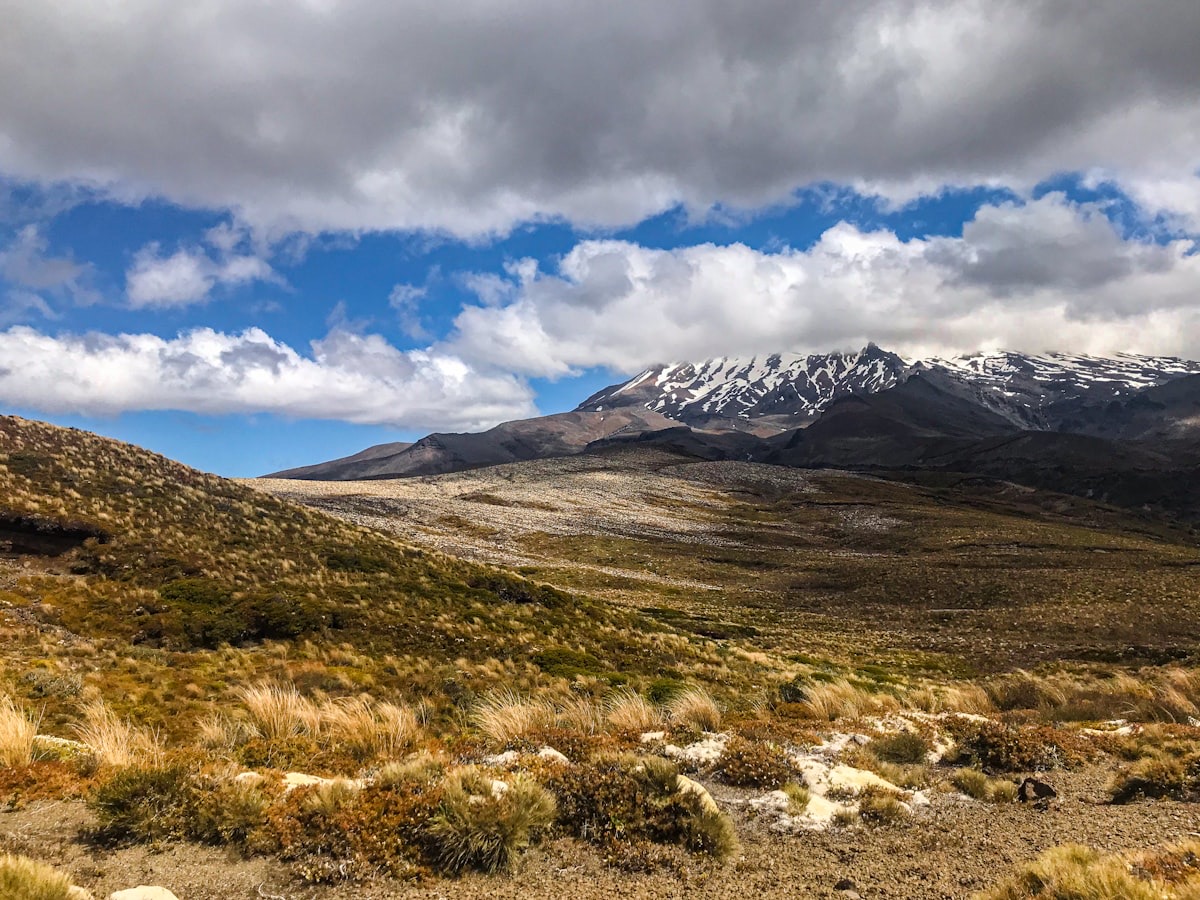
New Zealand's weather is a big part of what makes touring here special — and occasionally what makes it tricky. It's changeable, it's regional, and in a tall campervan, motorhome or caravan one ingredient matters more than any other: wind. This guide covers what to expect by season, why gusts matter more than the headline wind speed, and how to use a simple three-day briefing to decide whether to drive, wait or reroute.
The short version
- Wind is the condition that matters most in a high-sided rig — and the gust matters more than the average.
- Weather changes fast and varies by region — check before each leg, not just once for the trip.
- Use a three-day view to decide whether to drive now, wait, or flip your itinerary around a system.
- No bad season — just plan for the one you're in; winter means ice and chains on alpine routes.
- Check gusts at cab height with the free Touring Brain weather briefing.
Why weather matters more in a big rig
In a car, most weather is a comfort issue. In a tall, slab-sided campervan or caravan it's a handling issue. The same gust that a hatchback shrugs off can shove a high-sided vehicle across a lane, and wet or icy roads stretch your stopping distance when you're heavier. So the goal isn't to avoid weather — it's to read it well enough to pick your moments.
Wind: the number that actually matters
New Zealand lies in the path of the "Roaring Forties", so wind is a regular visitor, especially around Cook Strait, Wellington, exposed coasts and open plains. The trap is reading the wrong number. A forecast headline like "20 km/h winds" hides the gusts — the sharp, brief spikes that are what actually push a tall vehicle around.
| Forecast gust | What it feels like towing / in a motorhome |
|---|---|
| Under ~40 km/h | Generally comfortable. |
| ~40 – 60 km/h | Noticeable; firm grip and lower speed on exposed sections. |
| ~60 – 70 km/h | Hard work; many drivers slow well down or wait, especially on coasts, bridges and passes. |
| Over ~70 km/h | Consider delaying or rerouting inland — sway and crosswind become a real risk. |
These are rough thresholds, not rules — a light, low campervan handles wind better than a tall double-axle caravan. The point is to look at the gust figure and be honest about your rig and your confidence.
How to read a three-day briefing
You don't need to be a meteorologist. Work one leg at a time:
- Check the route you're about to drive — not just your start or destination, but the exposed and alpine bits in between.
- Look at gusts, rain and temperature on those sections.
- Decide: drive, wait or reroute. A three-day view tells you whether a system is passing through (wait it out) or settling in (go now, or change plans).
The free Touring Brain weather briefing is built for exactly this — it reports gusts at cab height for your route, so you can make the call in a few seconds rather than squinting at a generic city forecast.
Rain, rivers and road closures
Rainfall is wildly regional. The West Coast of the South Island and Fiordland are among the wettest places in the country; Central Otago, Marlborough and Hawke's Bay are comparatively dry. Heavy rain can flood rivers and close roads, especially on the West Coast and around the main divide, sometimes for hours. Before a remote or single-route drive in wet weather, check road status as well as the forecast — a closed Haast or Milford road can rewrite your week.
The seasons at a glance
| Season | Months | What touring is like |
|---|---|---|
| Summer | Dec – Feb | Warmest and driest, long daylight — but busiest and priciest. Book ahead. |
| Autumn | Mar – May | Settled spells, quieter roads, lovely colour. A favourite for touring. |
| Winter | Jun – Aug | Cold; snow, ice and chains on alpine routes and the south. Uncrowded and dramatic if you're prepared. |
| Spring | Sep – Nov | Green and quiet, but changeable and often windy — watch the gusts. |
Mountains make their own weather
Because New Zealand is narrow and mountainous, conditions can flip over a single range — sunny on the eastern side, pouring on the West Coast. Alpine passes get cloud, wind and (in the colder months) snow and ice well before the lowlands do. Treat mountain legs as their own forecast, and in winter check road conditions and carry chains for routes like the high passes and ski-area roads — more on that in Driving in New Zealand.
Get a weather briefing for your route → The free Touring Brain weather briefing flags gusts at cab height, rain and temperature along the road you're about to drive — so you can decide whether to drive, wait or reroute. No sign-up.Sources & further reading: forecasts, rain and wind — MetService; live road conditions and closures — NZTA Journey Planner. Always check the forecast and road status before exposed or alpine routes. Last reviewed 19 June 2026.
This guide is general information to help you plan, not a forecast or official safety advice. Always check the current forecast and road conditions for your specific route and date before you travel, and drive to the conditions on the day. Touring Brain's weather data comes from Open-Meteo; for official forecasts and warnings see MetService.